Episode 21
Exploring Kangaroo Island's First Nations Heritage with Mark Eden
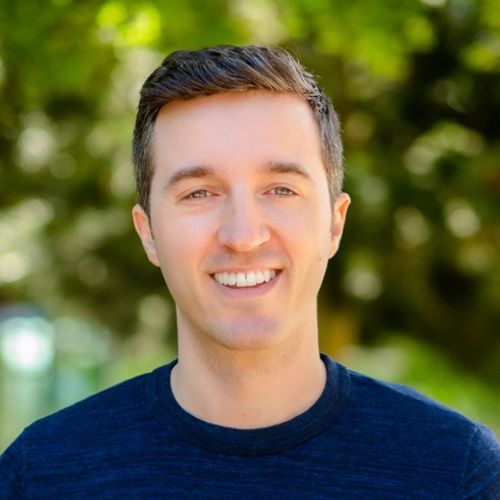
In this episode of One Off Travel Stories, Andrew sits down with editorial travel photographer and writer Mark Eden. Mark shares his transition from corporate life to globetrotting photography, which inspired his book Global Village, a collection of "little stories" celebrating the everyday lives of people worldwide. The conversation then shifts to a journey back in his home country of Australia, where Mark accompanied a First Nations elder, also named Mark, to Kangaroo Island. Through this trip, Mark Eden uncovers the island's spiritual significance, hears powerful firsthand accounts of the Stolen Generations, and learns how Indigenous culture is being reclaimed and shared today.
Guest:
- Editorial travel photographer and writer based in Melbourne, Australia, who focuses on highlighting lesser-explored regions and the "little stories" of everyday people.
- Author of the photography book Global Village, which features visual stories exploring shared humanity across roughly ten countries.
- Currently working on a new long-term book project documenting traditional Japanese crafts.
Chapters:
- Introduction and Mark's journey from corporate life to photography
- The inspiration behind "little stories" and the Global Village book
- The decision to explore Australian roots and First Nations history
- Meeting a first nations elder
- The spiritual significance and creation stories of Kangaroo Island
- The beauty of Kangaroo Island
- Mark's Future projects
Resources and Links:
- Mark Eden's Official Website
- Global Village (Mark Eden's book)
- Kangaroo Island, South Australia
Transcript
Speaker 1
[00.00.00]
Yeah. It's the most Australian sounding place ever is in a Kangaroo Island. Um, it's a beautiful place full of coastlines and, um, places to swim and sand dunes and lots of wildlife. Almost anything that you want to do. You can. You can find. Hello, and welcome to one off Travel Stories. I'm your host, Andrew Turner. Harriet's episode I chat with someone about one of their favorite travel stories. That one story they've told countless times to friends and family around the dinner table. My guest on this episode is Mark Eden. Mark is an incredible editorial travel photographer and writer who focuses on lesser explored regions and places, and he aims to capture the daily life and experiences of everyday people in what he calls little stories. He's produced a book, Global Village, with a lot of these Story is accompanied by stunning visuals. I also suggest checking out his website marketing, and it'll give you a much better idea of what what this really means. And and he really brings it to life in some stunning images. With that said, today Mark is going to tell us about his trip to Kangaroo Island. Kangaroo Island I haven't I hadn't actually heard of, but I believe if you're if you're from Australia, from the region, you probably know it well. Kangaroo Island is an Australian island. Um, just just off the coast from Adelaide. So sort of on the south side of Australia in the middle, if you will. Uh, a stunning island. I was blown away by some of the pictures and by Mark's description of, uh, of what he saw while traveling around the island. And of course, he's going to tell us a little bit of those little stories of everyday life that he picked up from people along the way. Uh, with that, let's jump into it.
Speaker 2
[00.02.01]
Hey, Mark, welcome to the podcast.
Speaker 1
[00.02.03]
Thanks, Andrew. Thanks for having me on.
Speaker 2
[00.02.05]
Yeah, yeah. Great to have you. Thank you for joining. Um, you know, I like to sort of kick it off and ask, uh, where are you? Um, where are you? I say, dialing in from, um, I know we're talking virtually, but. Yeah. Where are you dialing? Dialing in from today? Um,
Speaker 1
[00.02.19]
I'm at home. I'm in Melbourne, Australia.
Speaker 2
[00.02.22]
Uh, lovely. Um, well, first, you know, well, very different time zones. So I appreciate you making the time, because I'm on the west coast of of the US. You're, um. Nice to hear that you're home. I, I end up talking to a lot of people who are on the road, so, um, that that. That's good to hear. Um, I, um, I sort of looked at your profile and was excited to talk to you because you have a lot of beautiful, uh, photography from around the world. Um, I wanted to ask you, because I love to understand, you know, how people get into travel and how as part of their life. But, um, for you, as has photography got you into travel or did travel get you into photography or was it something completely different?
Speaker 1
[00.03.12]
Um, I think they were they were kind of two separate things that came together, to be honest. Um, I think, uh, towards the end of high school, I just started playing around with my grandfather's old cameras, and he had, um, all the old darkroom equipment and all that sort of stuff. So he let me set up and he's in his basement, basically, um, and play around. So I would do that. Um. But never really took it seriously or anything like that was just something in the background. And eventually I just played with cameras, you know, in the weekend and stuff. I did graduated high school, got jobs work, ended up working in corporate, that sort of thing. Got to about 24 years old and I was just bored and miserable, to
Speaker 2
[00.03.58]
be honest. Yeah. Um,
Speaker 1
[00.04.00]
to the point where I just had to do something drastic and going overseas was turned out to be that thing. So naturally, I, I took a camera with me. I traveled, I lived in London for a couple of years and, and travelled through parts of Europe and things like that. Um, took photos as I went and eventually the two things just sort of merged and they'll, they'll forever be sort of one and the same for me. Now
Speaker 2
[00.04.30]
that's great. I, um yeah, it's funny, I feel like a lot of the folks that I speak to had this kind of pivotal moment and decided I need to leave, you know, wherever home is and shake things up a bit, um, and see where that that takes them. Sounds like took you back to photography, which is. Which is really nice. I, I noticed on your website, I mean, you've got some, some really great series of, uh, photos, but also what you, I think, uh, if I'm using the term correctly, the little stories. So you combining these photos with the stories that I guess they're representing. Um, a couple of questions came to mind. Like places like Cuba. Like, have you been choosing your destinations or are they happening kind of surreptitiously? Um, and then. Yeah. How did you get into this idea of sort of the little stories combining your photos with the stories? Yeah, sure. Um. As for choosing places I like. I'm a I'm a giant nerd, so I watch a lot of documentaries I read. I read a lot and stuff like that. So there'll always, often there'll be something that kind of sparks an interest in a place or a group of people. Um, and I tend to just sort of pick at the thread and I'll go down the rabbit hole of research and stuff like that, wanting to know more and more about it. And, um, if it's something that really grabs me, then I will, I'll book a ticket and and go explore it for myself. So, um, there's very, I mean, various sort of little inspirations like that, whether they come from even novels or movies or something like that. Yeah. Um, not just necessarily documentaries. Um, I'm sure everyone's had this experience where they read a really good book and the like. The location is a character in itself. Um, and the way they describe it and everything just makes you want to experience that for yourself. So that that could be one, one reason, um, or people practicing this old, like, dying out way of life. Um, that, that sort of thing. So I, I tend to just, I'm just really curious by nature. So I will want to know more of. Yeah, get get inspired by something like that and I'll just want to know more and. If it's interesting enough, I'll go and want to go and see it for myself. Um, so these, these little stories, it's it's kind of a way of talking about the everyday lives of people in these places. Um, I think
Speaker 1
[00.07.16]
I don't think we we give enough respect to people who are just going around there going about their ordinary lives in, um, in a quiet sort of way, like the, the parents who work two jobs to get put their kids through, uh, university or college. Um, if you're American, um. Things like that. Like people doing small things or just, you know, setting examples, caring for their community and things like that. We tend to celebrate people who've done, and rightly so, people who've done these massive things, Nobel Prize winners, etc. but, um, people doing just going about their lives and being quiet inspirations to their kids or their community are really what makes the world turn. Um, and I didn't see anyone talking about those, those people. So that's kind of what led me to to focus on that. And I like to see things from someone else's perspective. We. We travel by nature and compare. Compare where we are to home like, oh, this isn't like this at home or. This is we have this instead of that sort of thing. Um, so to try and put yourself into the shoes of the people actually living there and um, and understand different, different perspectives on the world. So.
Speaker 2
[00.08.46]
A lot of great insights there. I want to repeat the the location is a character in itself. I, I hadn't really thought about it that way. Um, I read a lot and I've definitely been inspired to travel based on books, um, podcasts, whatever it may be. Um, and I think that is a fantastic way to describe what the location represents in a, in a, in a story or a piece of history. Um, you know, you could study the Romans for a long time, and that will really change the way you feel and see Rome. Um, if you're going to go visit there someday, you'll probably be a lot more excited. I know I've had experiences like that, so I love that. And then on the little stories, um, I completely agree. It's I find those stories interesting. I mean, I do this podcast with all sorts of people because I just want to hear all sorts of stories of how they're traveling. Um, and, uh, you're right, you don't we don't see enough of it because, well, harder to sell, uh, those little stories sometimes, but those are typically the people you talk to when you are traveling. Right. It's. Yeah. Um, just day to day people, and they tend to be really friendly. Um, and they, you know, I've heard a lot of stories now through the podcast, they tend to be very helpful as well. Like people going out of their way. Um, just just to help and to give you a better experience as a traveler if you're friendly. So anyway, I really great, insightful, insightful stuff there. Um, so I just wanted to kind of summarize and add my my thoughts as well. Sure. Um. With that said. So, uh, you you we can, um, we can sort of head towards the story. Um, that you're going to talk through today as a reminder to everyone, this, uh, podcast is sort of about one travel story that's stuck with you through the years after it happened. Um, but it's great. So we kind of have that background of you getting out there in the world and merging your photography with, uh, with your travel over time and developing these little stories. But with that mark, I'll hand it over to you. Could you give us a little bit of background about the the story you want that you're going to that we're going to talk through? Um, you know, what year was it? Uh, why were you going there? Where were you going? Yeah. Yeah, sure. Uh, this story, it's actually back in Australia, so, um, I late last year, I published a book, uh, which is a collection of stories, so-called little stories. Um. And photo stories from different parts of the world to saw just sort of exploring, um, shared humanity and, you know, the difficulties that we all share, but also celebrating, you know, all our differences that we have. Um, via culturally outlook, all those sort of things. And I was getting to the point where I had I had kind of enough to start putting the book together, but I didn't have anything from my own country. And this is, um, this is a weird thing that Australians do. Like, as soon as we graduate high school or university, we have that gap year. We decide anyone who decides to go long term travel is shoot straight off overseas, um, to Asia or Europe or wherever. We don't spend enough time appreciating what we have. We don't. We don't tend to explore our own country until we've done everything else. And I'm I'm as guilty of that has everyone as anyone. But I wanted to include something about my own country. I want to learn more about my own country. It's, um. It's a really interesting, diverse kind of place. Um, and I'd always been interested in Aboriginal Australia, Australian history and beliefs and cultures, and that's something I really missed. Learning at school, it's just. It just wasn't taught in my day. I think it's a bit better now, but, um, it was really just kind of ignored when I was at school. So I kind of got this idea to do a story about or related to Aboriginal Australia. So I put a call out through a network that I'm part of, um, got lots of enthusiastic responses and ended up meeting, um, a guy from the Non-Dairy tribe, which is, um, based in South Australia, sort of, um, south of Adelaide along the southern coast there. Um, his name was Mark as well, so hopefully this doesn't get too confusing. Um, so I met Mark through that. He, he also runs a, um, a tour company as well. So he teaches his, his indigenous knowledge, um, to, to people and in schools as well. So he takes people to these, these significant places. Um, but this, this trip, they were going to, um, a place called Kangaroo Island, um, which is a significant place for them. Um, it is, um, if anyone knows a map of Australia, Adelaide is kind of on the southern coast in the middle. Um, if you drive a couple of hours south of that, get on a ferry for another hour. Um, go straight south. Um, if you are on Kangaroo Island. So it's kind of. Off the southern coast of Australia. Kind of in the middle. Right. And it's a, um, it's a it's a really popular tourist spot. Um, but it's also a really significant place for the non-Greek people. Um, it's a place. Um, of the it's the, the location of, of basically their creation story, which tells of an ancestor who, um, uh, the story kind of goes to sum it up. He was chasing a giant fish. Um, there's a lot of this sort of mythical, uh, spiritual type stories that have lessons in, in Aboriginal or I'm going to call them First Nations. Um, stories. Yeah. Um, culture. So the story basically goes, um, he was chasing a fish, um, down a river. Um, and because he's a mythical kind of being as he as he went along, he was bouncing off things and creating cliff formations and, you know, landmarks and all that sort of thing. Um. And he eventually ended up on on this island where he was looking for his wife. Um, he created certain landmarks and things like that as he went around. Um, eventually he walked into the sea and up to, um, what they call color winery, which is loosely. You could think of that as heaven.
Speaker 1
[00.16.06]
Mhm. Um, so the belief is that when people pass away, their spirit follows his path to the island and up to or to heaven, wherever that may be. Wow. Uh, so that's that's the basic belief. So that's why it's such a significant place for these people. Um, so he was Mark and his family. They often take their their kids and now their grandkids, um, back there pretty regularly for that connection. So it's very important to them to be connected to where you come from. Um, and just to spend time there.
Speaker 2
[00.16.43]
Fascinating.
Speaker 1
[00.16.44]
Yeah. So they were going on a family trip and invited us along. So, um, we we went along with them. They took us around to, um, some of the various sort of landmarks and told us the stories that are associated with those. And, um. Yeah, over time, we we just as we weren't, they just sort of, uh, talked about sort of his experience and related to growing up in Australia at the time where, uh, Aboriginal people were not really, uh, not very, not treated very well. Um, you have to say, um, and how he views things today. Um, and it's compared to how his kids have experienced things
Speaker 2
[00.17.29]
and, um, so on was he, was he actually and maybe hopefully he didn't miss this. Was he actually born on the island or was he born on the mainland? And then they go back to the island for this, this sort of spiritual connection?
Speaker 1
[00.17.47]
Yeah. He was born on the mainland. Yeah. Um, and but the the island is, is quite important to them to, to, to travel to back to regularly.
Speaker 2
[00.17.57]
And um, had he gone back to the island as well, like through through his lifetime as a kid, like, did his parents go back there as well? Is it sort of a pilgrimage of sorts? I guess, if that's the right term
Speaker 1
[00.18.11]
om about I think it was about:Speaker 2
[00.19.43]
right?
Speaker 1
[00.19.44]
Um, so it was only really later on that that he kind of was able to reconnect with that, um, and reconnect with his family. I think he found his parents again eventually. Um, and then he sort of started started to go back later on in life.
Speaker 2
[00.20.04]
Wow. Okay. And, uh, you had the opportunity then to to join him in this family on one of these trips back. Um, that's really that's really. Well. Very interesting. Um, opportunity and just to to clarify as well. By this point had you for, for your book, which is the Global Village Book, correct? Correct. Yeah. Yeah. Um, you you were saying so you you had you gotten pictures from all around the world and stories and so on by that point. And this was kind of something to have from your, your, your homeland, if you will.
Speaker 1
[00.20.44]
Yeah. Yeah, exactly. That actually leads to more explorations because there's, there's a lot of, uh, a lot of diversity and a lot of different aspects to it. And I really just sort of scratched the surface. But yeah, it was it was really fascinating, a real honor to be able to to join.
Speaker 2
[00.21.01]
So I sidetracked just a bit. But, um, at the moment you're you're in the story. Anyway, you're on the island, and Mark is kind of taking you to these, um, well, important places, at least for their, uh, for their history.
Speaker 1
[00.21.19]
Yeah. That's right. So, um. Yeah, he was he was taking us around to, to various places, which, uh, I mean, the tourist attractions, but they sort of often there's like a rock formation where you can see. So, for example, like a turtle in the rock, um, and there's a creation story attached to that. And for them, just, um, just to be there and kind of have that in the background is, is kind of enough to, um, to keep that connection. Um, so he was he was really telling his grandkids about these things. And we were fortunate enough to be to be listening, listening in and, um, and understanding that as well. How long? Um, how long was this trip? How long were you with them? And, uh, was there anything that, like. Yeah. Was there anything that just stuck with you that jumped out or was,
Speaker 2
[00.22.17]
uh, I don't know, new learning? Quite. That was fascinating.
Speaker 1
[00.22.22]
Yeah, it was, um, it was it was about three days or three days. We we sort of, um, stuck together. We sat down, um, the last night we had a barbecue on the beach, um, and sat down and just talked about their experience and that that whole conversation is really has really stuck, stuck with me. So
Speaker 2
[00.22.44]
I think you would think with Mark's background that, like, you would be quite bitter and angry. Most people would, but there's not there's not a shred of that. He's he's sees it as being grateful, um, grateful for the, the insight that's giving him, I guess having that, having all that stuff taken away at such an early age meeting. More curious about it. So he's he's then gone back and studied his own culture. Um, and he's, he's now what's considered an elder. Um, someone able to pass on that knowledge. Um. So which he does to. To his family and his his own community. But he also does that. Um, as part of his tour company as well. So he which is becoming more and more popular. So it's very recently, um, First Nations tourism has become more and more popular, um, both with Australians. Um, but also he's getting a lot of international interest as well, which is really, really good to see. Um, but he attributes that to being to having that taken away, which kind of, um, sparked an interest in it. And funnily enough, the the missionaries that he grew up with that were busy stopping him from practicing that culture were kind of scholars in a way, for some, you know, weird sort of contradiction. Um, so they studied this language that they were taking away and these cultural practices, and they wrote it all down. So all the stuff that was lost. Was actually recorded. So in a weird way, all these years later, these same missionaries that that took all this away, but now giving it back.
Speaker 1
[00.24.43]
So that was something that was kind of, I don't know, for some reason that always just just stuck with me that, um, that full circle.
Speaker 2
[00.24.54]
There's a bit of a silver lining when you say, like, was there, was there a moment in time where he kind of expressed this or talk through it a little bit, or is it just kind of was apparent in how how, how he thinks about it and living life today and taking, uh, taking this opportunity, if you will, with the tourism.
Speaker 1
[00.25.14]
Yeah. No, he, he, he was he's very open and talking through it. He's his mission is kind of to share all these things. Yeah. To create a better, uh, a greater understanding because there's still it has become a lot better, um, recently, but, um, there's still a bit of a reckoning that needs to be happened. There's this kind of avoidance, if you like. There's a lot of. Well, why should I feel guilty? Sort of sort of attitude. And he's he's response to that and he shouldn't you shouldn't feel guilty. You're not responsible for anything that happened in the past. But you are not responsible for what happens now. And you're responsible for the future. We all we all are, right? So we are responsible for not perpetuating all the stereotypes and not allowing the same sort of attitudes that lead to led to this treatment to, to continue. Right. Um, and that was. That was a really interesting way to to look at it, I thought. Right. Um, I also got the chance to speak to his kids, who were sort of early to mid 20s now. Yeah. Um, and just contrasting his experience with theirs and, uh, they did they had, um, they went to school, high school. They had a much more, um, I guess an easier upbringing. Um, but still had that, um, hesitation. I like to, to say, to talk about where they're from, who they are. Um, for fear of sort of ridicule or or worse. Um, but coming back to this place kind of and over time, um, has had the effect of, of making them proud of who they are. I like learning about these things. Um, and just changing attitudes, I guess. Yeah. Um. Generally has made them more and more proud of of who they are, to the point where they are now part of the like, the family business, the tour business, um, proudly sort of talking about their history and their sales and their own experience. So they're kind of following in his footsteps in that way. So he's created a legacy for himself.
Speaker 2
[00.27.43]
Well, that's very nice to hear. At least some positive change, even if it takes a little while. Um, so tell me about Kangaroo Island. Uh, because I had never heard of it before. Um, before speaking with you, I did take quickly take a look at some photos, and it looks quite beautiful. I'm sure you captured some interesting pictures while you were there as well, but. Yeah, just curious how you found it. Um, having traveled to a lot of places as well. Yeah,
Speaker 1
[00.28.15]
it's it's the most Australian sounding place ever, isn't it? Kangaroo Island,
Speaker 2
[00.28.19]
I guess. Yeah. That's true.
Speaker 1
[00.28.21]
It's it's actually a pretty popular tourist spot. Yeah. There's a there's a lot of tourism industry there. Um, there's quite a lot to lot to do. There's, um. Yeah, it's a place where people go. Like, if you live nearby there, it might be the place where you spent your your summer holidays when you were a kid. It's that kind of that kind of place. So it's long been a well-known tourist destination, but there has, um. It has not really been an acknowledgment that it's an important place to, to the, um, the native people, um, as well. So that that is just because of Mark and people like him that is just now starting to become more and more, um, I guess, conscious for people. So but yeah, it's a it's a beautiful place full of coastlines and, um, places to swim and sand dunes and, um, lots of wildlife. Um, almost anything that you want to do, you can, you can find, um, a place to do it there. Um, well, then maybe it's just because I live so far away that I haven't heard of it. But if I take it in Australia and it's quite, uh, it's it's a place that, like, would be on the on the radar. Um, how does it. Yeah. I mean, from, um, it sounds like a wonderful place, uh, for, for a photographer, given all of the natural beauty. I know you do a lot of sort of portrait style as well, and I'm sure, um, I'm sure you would have got some good, good photos, at least as a family and so on. Um, in that process. Yeah, I. Um,
Speaker 2
[00.30.14]
yeah. When we were starting the conversation, you were talking about sort of, uh, well, nerding out a little bit and and reading, um, and that that's a piece that sort of gets you excited to visit somewhere. Was that the case for Kangaroo Island? And did it sort of scratch that itch because the story you told about their beliefs, um, you know, it's it's it's interesting. I feel if I went there, I'd be like, oh, okay. Like, as you said, like, these are these these things were sort of created in that story and that story of creation. And this is what they mean and why they're there.
Speaker 1
[00.30.51]
Yeah. Like, you can when you hear the story and you look at those, you go to these landmarks, you can see it like it's not. Oh yeah. Okay. You can get your resignation. But you know, it is quite it is quite obvious, right? Whether you believe in any kind of spirituality or not. Um, it is there to see. And, um, like he talks about turtle shapes in a cliff face. Anyone? That just is a casual visitor. Um, he's not going to see that. But once he points it out to you, it's it's it's there. It's. You'll never look at a cliff face the same way. So all these, um. These beliefs about these creation stories and being connected to the land and being created by these same people. So kind of leads to, um, this attitude of, of not owning the land, but you're custodians of the land. Um, and that's where they, they get the idea of, of taking what you need to sustain yourself, but nothing more. Um, and looking after looking after the land. And there's actually, um, environmental groups now that are consulting the First Nations Australians about how to care for these environments, which are as everywhere, under a lot of stress.
Speaker 2
[00.32.18]
Yeah, yeah, I should note too. I didn't realize this, but it seems the islands are quite big as well. Like it's a sizeable piece of land.
Speaker 1
[00.32.30]
Yeah. I think if you were to drive right across it east to west. So it's going to take you about two hours. So it's not it's not tiny. It looks tiny compared to the map of Australia, but it's not tiny.
Speaker 2
[00.32.43]
Yeah. Um, so, uh. I guess, what's on, uh, just to sort of transition out of the Kangaroo Island story. What's what's next for you? Do you have anything, um, on your on your radar coming up?
Speaker 1
[00.33.01]
Um, I've got lots of things I want to do. Um, I've, I've been working on a second book, which is not, not based in Australia. It's, uh, it's a long term project about Japanese traditional crafts. So then, um, heading to Japan a few times to to shoot that. And I've kind of gained to the point where I can now put that together. So the next little war is going to be sort of working on that as, as another book project. Um, and I've got lots of little ideas and projects that I want to do, um, which I'm kind of researching and, and, uh, looking into how viable they are and, you know, whether there's anything in there that I can dig through and kind of getting more and more interested into in immigration type stories and things like that. Mhm. Um, people's experiences in a new, in a new place, that kind of thing. I have a few ideas around that theme that I'm that I'm looking into.
Speaker 2
[00.34.03]
Very interesting. On the, um, on your on your on your book, the Global Village book, how many places did you end up, uh, shooting for that? For that book?
Speaker 1
[00.34.15]
Um, there's 12 stories. Um, there's a couple of a couple of repeated countries, if you like. I think there's a couple of stories in India and a couple of stories in Japan, but there's. Yeah. Yeah. So probably about ten different countries, you
Speaker 2
[00.34.30]
know. Wow. Which was over a long period of time. It wasn't like I was going to make a book. And then, um, so I'm going to book all these, these trips and go, I was kind of I had this material which, um, which I wanted to put together to something a bit more sort of cohesive in a message. And I, um, I was watching the news, like everybody and getting more and more upset and despondent. And, you know, I wanted to put something. Uh, something positive into the world, because I felt like we need the reminder that we are actually all human. Uh, we are all sort of one people. Um, every time you look the news, you see, you see a new war, or you see, like a new people, new group of people being, um, prosecuted for, for, I don't know, being themselves. And I, I just wanted to
Speaker 1
[00.35.29]
kind of remind people that that's, um, we are we are one race, um, sort of thing. So that's why I like to look into, um, shared humanity and these, these kinds of issues.
Speaker 2
[00.35.46]
That's great. Well, instead of where we started, there's, uh, the everyday life of normal people is, um, quite similar. When you get down to it, no matter where you are.
Speaker 1
[00.35.57]
That's the thing. Yeah. I if I can, if I can make a story or a piece of work that, um. Speak that allows a viewer to say, to think, okay, this person is lives on the other side of the world. Looks and sounds completely different to me, but I can see myself in their shoes. Then that's, um, that just kind of sparks this little piece of empathy that I think we we can do with it a little bit more. Yeah, it reminds me, I, I can't remember what the actual study was, but it was basically they had people from I think believe was the US and Pakistan, uh, write diaries but to each other and like, read each other's diaries, kind of like pen pals. Um, and one takeaway was that their lives, although, you know, they thought they were very different, uh, especially at the time this was back a few years during the course of the initial Iraq wars in that time. But their lives were strangely similar, you know, like they just were going to the grocery store picking up their kids from school, different religion, but they both, you know, were a lot of them were spiritual in their own way. So, um, yeah, it's any way to tell that story and to get people to remember that they're, uh. They're not too different, you know, from someone on the other side of the world is is, I think, helpful?
Speaker 2
[00.37.29]
With that. Mark, uh, thank you so much for coming on and telling us about your, uh, your trip to Kangaroo Island and teaching us a little bit about the First Nation history, uh, connected to that place.
Speaker 1
[00.37.43]
Oh, thanks for having me. It's been a lot of fun.
Speaker 2
[00.37.47]
Awesome. Well, have, uh, have a great rest of your day.
Speaker 1
[00.37.50]
All right. Thank you.
Speaker 2
[00.37.53]
A big thank you to Mark for joining us on the podcast today and telling us his story. Uh, visiting Kangaroo Island again, as I mentioned in the intro. Definitely go check out his website. And Mark Eden and his book Global Village really brings some of these stories to life with some incredible photography. And as always, if you've got a amazing story to tell, you can find me at one off Travel stories.com.